Categories
Uncategorized

Best North Indian Restaurant in Dubai

Best North Indian Restaurant in Dubai

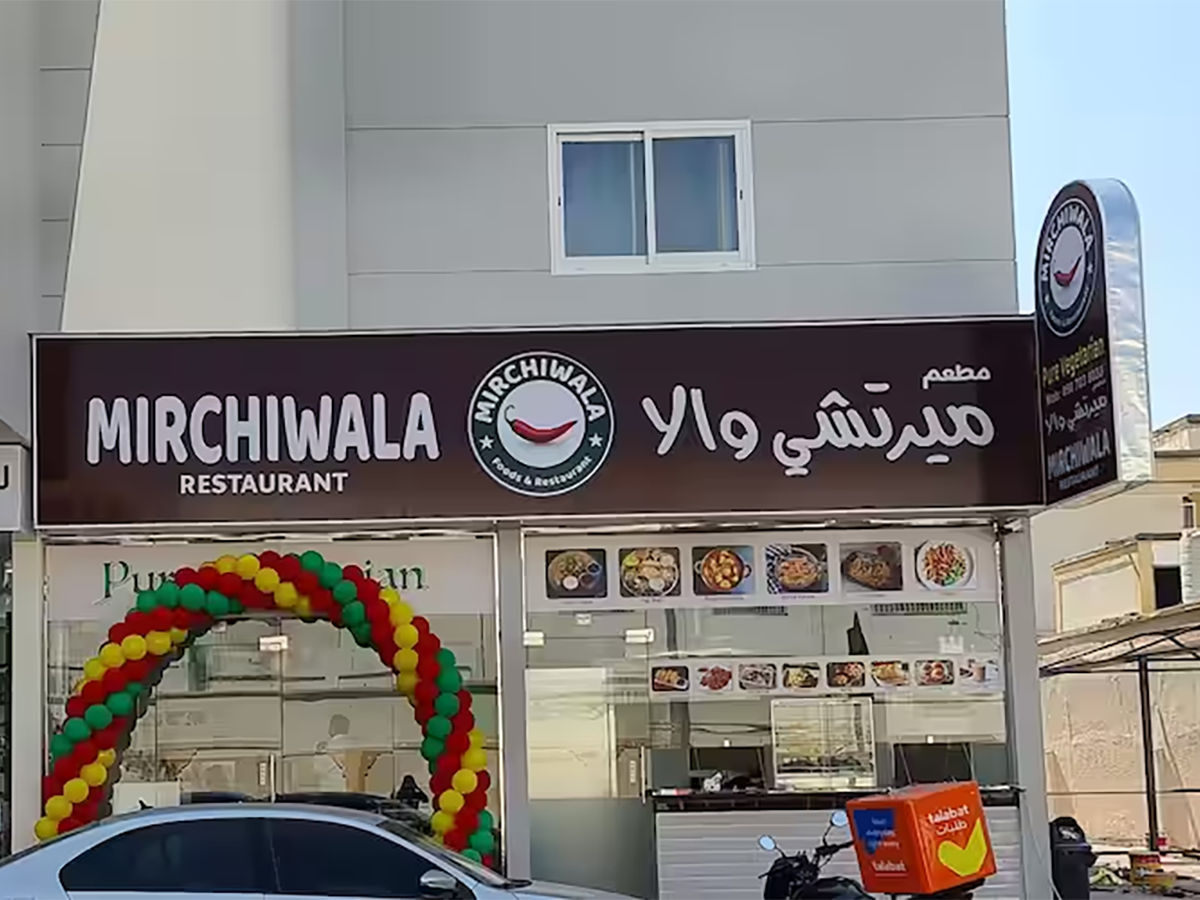
You are an expat in Dubai, who belongs to the Northern part of India and missing Chilli Chicken Roll and Ginger Tea. The one which your mother used to prepare for breakfast at home. If you are so determined to have your craving satiated then you may shut off your engagements in Dubai, for a few coming weeks, and check for a seat in the first flight to India. But, this could not be a practical solution for most of us. So, there is another more feasible solution to head to Al Karama right here in Dubai and near Ansar Gallery. You will find Mirchiwala, the Best North Indian restaurant in Dubai that serves these items as breakfast, along with other popular food items, from Northern parts of the Indian sub-continent.
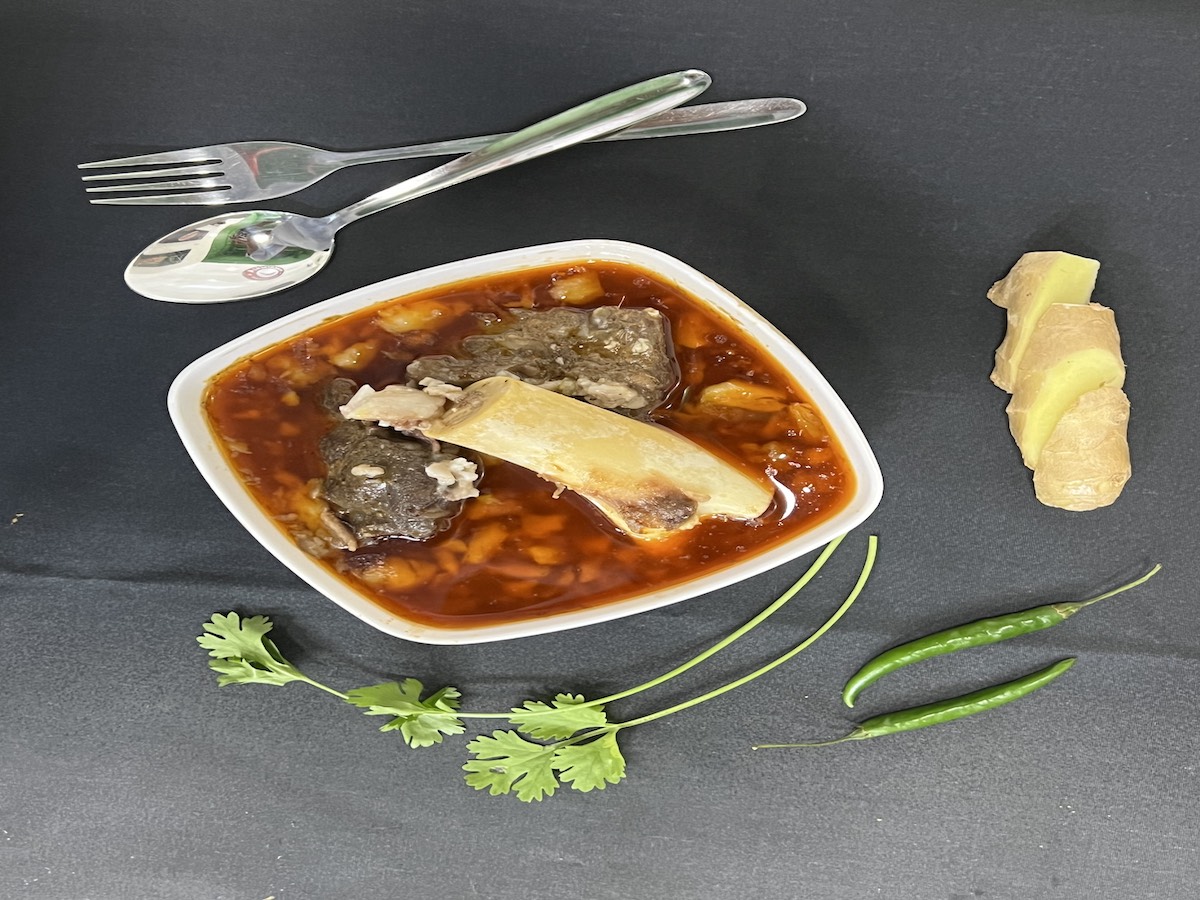
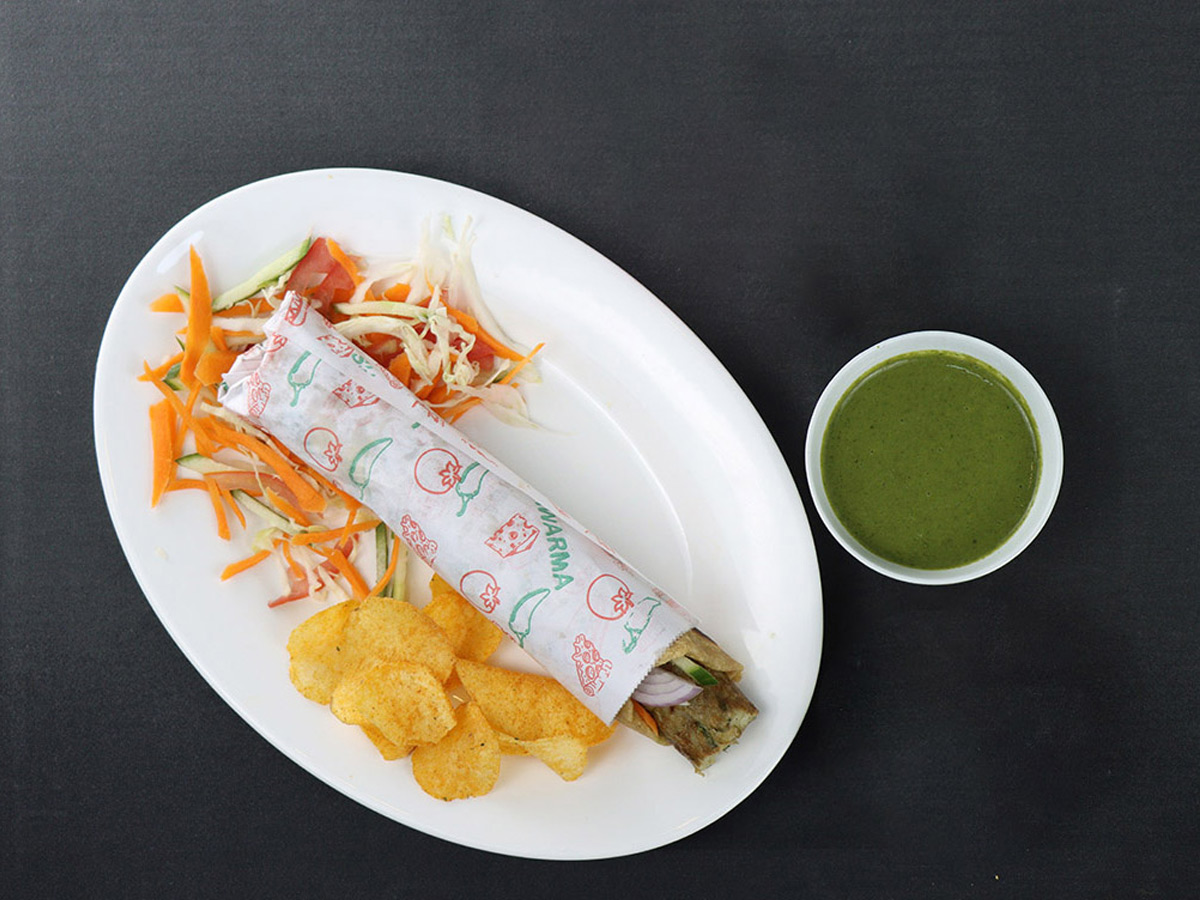
Apart from the Chilli Chicken Roll, you get several food items here, including individual dishes peculiar to North India, and say, if you are short on time and want to order in a jiffy, then you can trust us for our Combo Meals. They have thoughtfully been designed to showcase our specialities, mainly to the first-time visitors, or the ones, who just want to have a cool breeze of taste, in their plates and are in a hurry. And, from the word “hurry,” if you are retrieving an impression that there is a scarcity of parking space in the vicinity, you are conceiving a wrong image of the place. There is one more implication to the word “hurry”— if you are extremely short on time, still you have the option of Ginger Tea or Roll. In addition to Chilli Chicken Roll, we also serve Chilli Chicken Roll Combo, Moong Dal Halwa, Gulatthi, Zarda, Mutton Stew, Nalli Nihari, etc.

The best North Indian restaurant in Dubai

We serve Rampuri Qorma, Moradabadi Biryani, Khichda, essentially typical North Indian dishes, and in the nick of time, you should be informed that we serve all three as our Weekend Special. We also have the authentic taste of Mutton Khichda, for you. We also have Kofta Curry in our offerings, which is a popular Indian and Pakistani dish that is made using tender meatballs cooked in onion and yoghurt sauce.

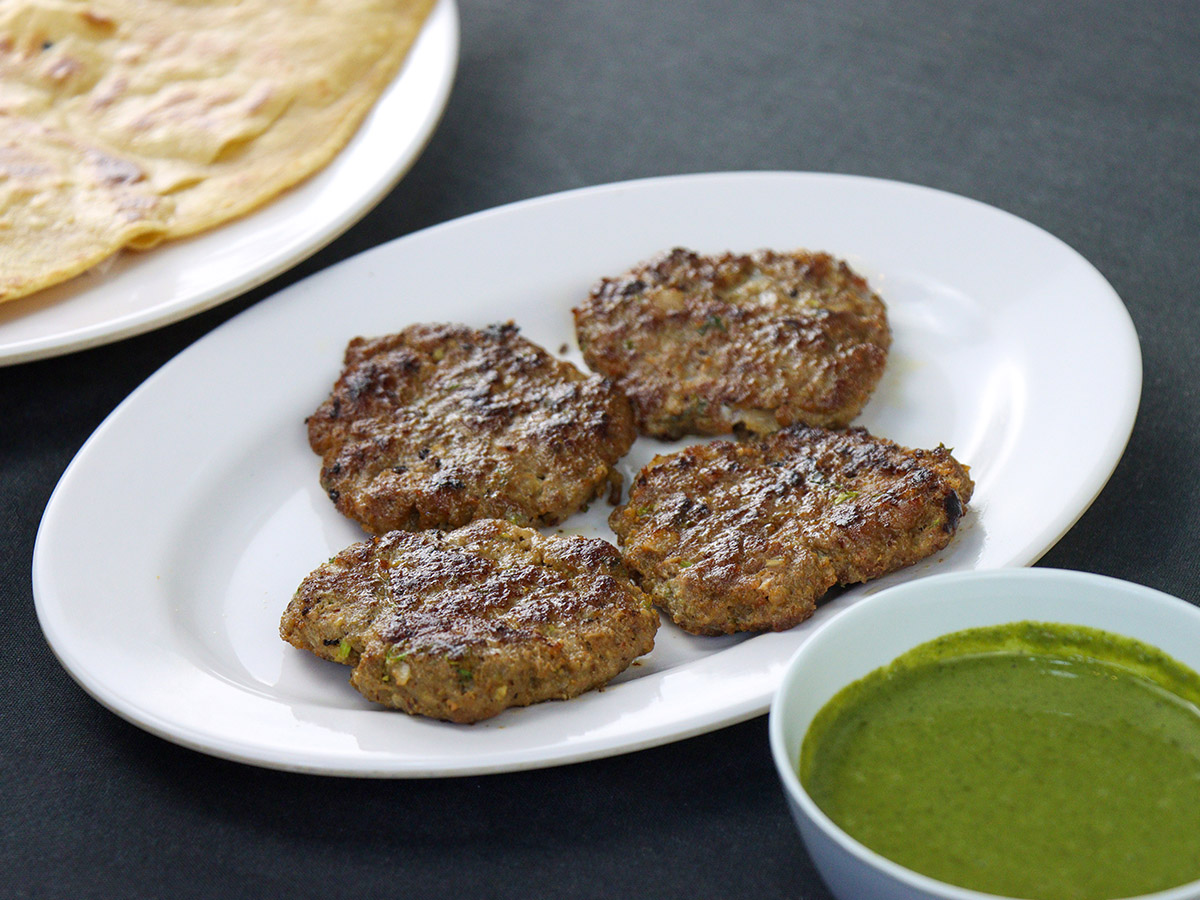
Other than that, our Indian Seekh Kebabs in Dubai are very popular amongst the consumers, because of their distinctive aroma, tenderness, and taste. Our authentic Shami Kebab will make you come back for more. Indian adoption of Mughal culinary is the reason why different sweet-smelling kinds of Kebabs propagated in and around North Indian plains of Ganga, Yamuna, and Sindh. Such local adaption gave popularity to traditional recipes, like Kachche Gosht ke Kebab. This type of Kebab is typically prepared as patties. It is a delicious Kebab, made out of raw minced meat, which is roughly drenched into chosen herbs and spices, and then given a round flat shape. These Kebabs are served at Mirchiwala, with condiments such as, a variety of chutney sauces, salad, and yoghurt. This moist and spicy serving has a distinct aroma, and if you love Kebabs, then you know what we are talking about! 

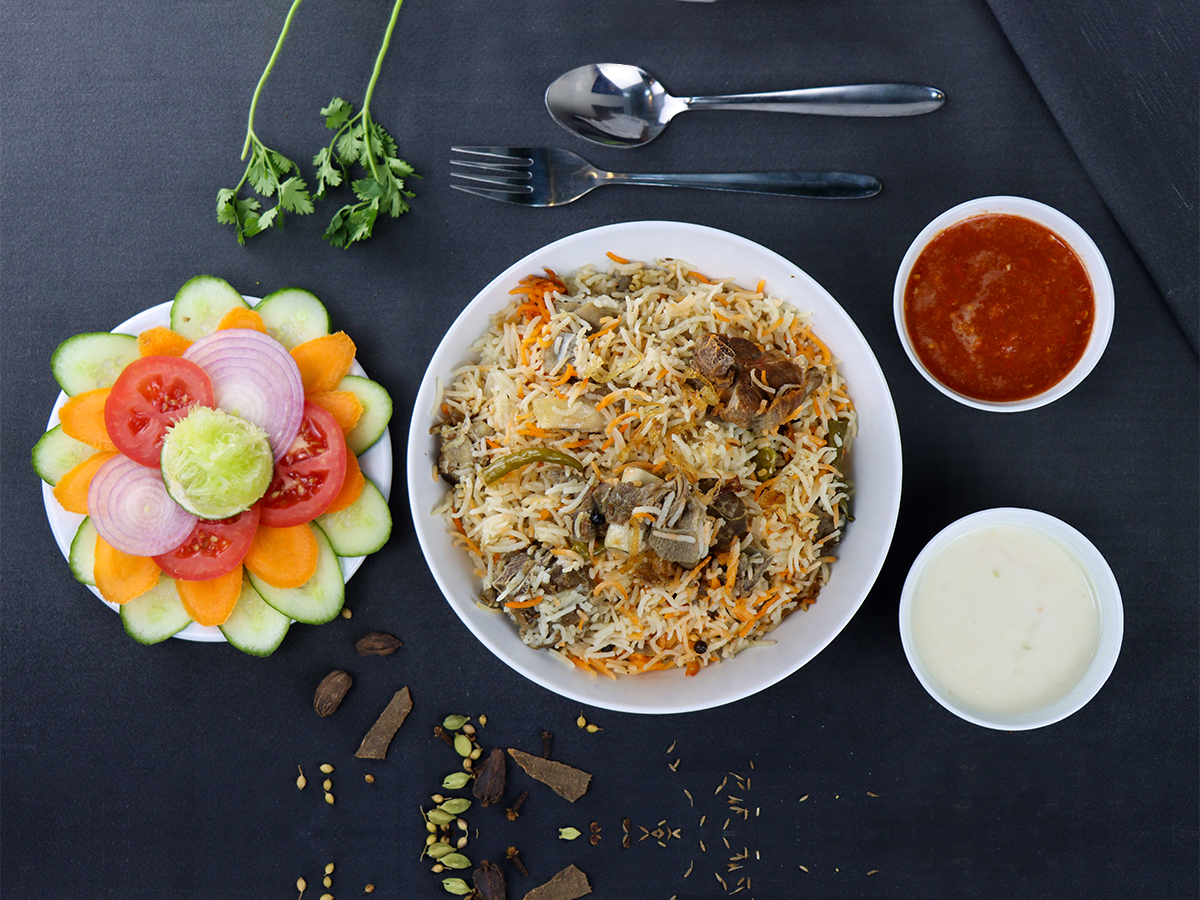
Blend of spices bring typical flavour and aroma of a Best Places for Biryani in Dubai, regardless of its distance from the place where it is being served. At Mirchiwala in Dubai, we use a combination of spices and age old recipes to craft a menu that will surely appeal to your taste buds. And, if you are a biryani lover, then you will definitely find our Moradabadi Biryani tempting.

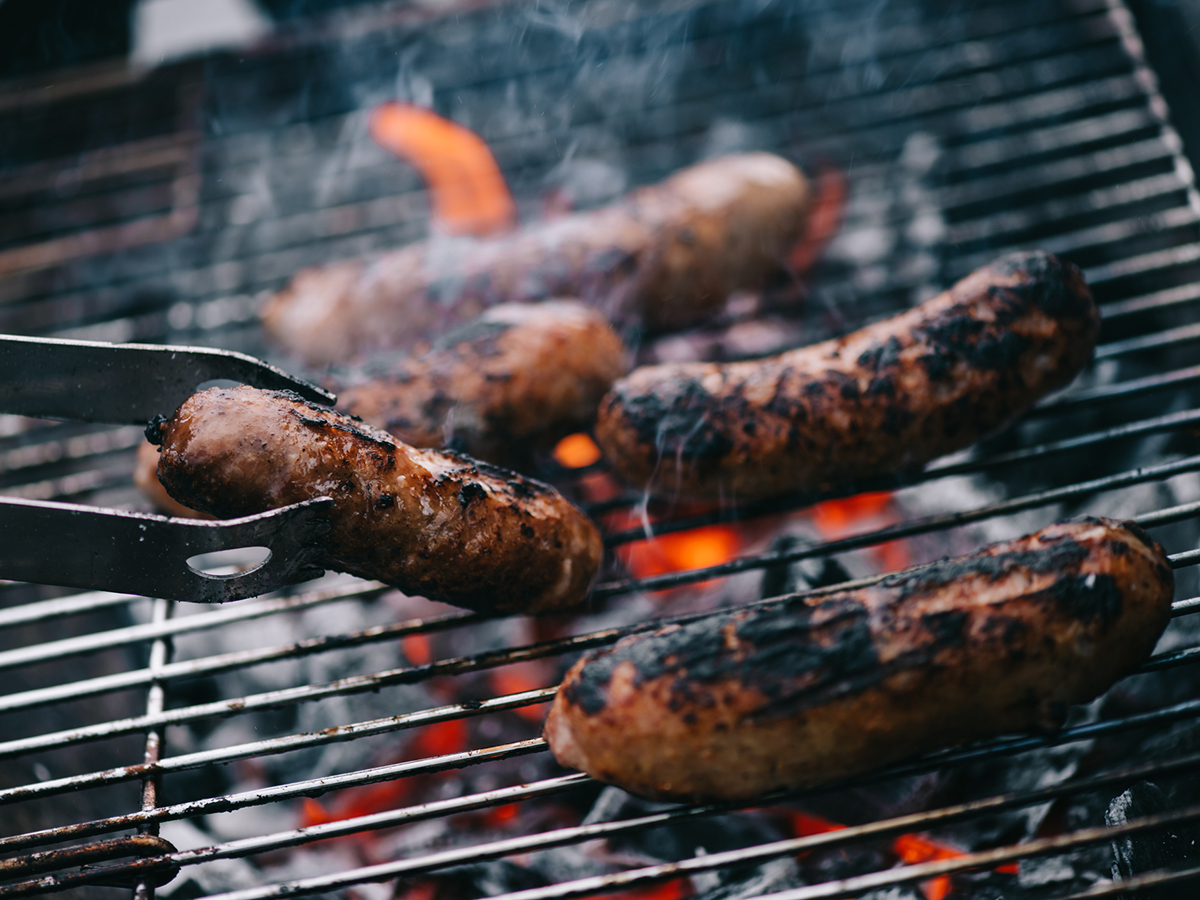
Grills have travelled a long distance from being fuel-inefficient and messy to relaxing and enjoyable method of cooking at a picnic. Enjoy a relaxing and fulfilling experience of ordering the best grilled chicken in Dubai from Mirchiwala!

Short on time, order food in a jiffy!

Ordering food is a challenging task, if you are in hurry or visiting us the first time. We’ve made things simpler for you with our Combo Meals. Check our Combos today! Our Combo Meals are crafted to suit individual taste. Combo 1 comes with Biryani Rice & Chicken Malai Boti (4 pcs), Chicken Seekh Kabab (1 pc), Gravy, Salad & Raita. Combo 2 comes with Biryani Rice & Chicken Seekh Kabab (2 pcs), Gravy, Raita & Salad. Combo 3 packs Bukhari Rice & Chiken Malai Boti (4 pcs), Chicken Seekh Kabab (1 pc), Raita & Salad, together, while Combo 4 has Bukhari Rice & Chicken Malai Boti (8 pcs), Gravy, Raita & Salad. Combo 5 has Chicken Biryani with Chicken Seekh Kabab (1 pc), Gravy, Raita, Salad & 300 ml of Coke, while Combo 6 has a quarter piece of Chicken Tandoori with Naan (1 pc), Gravy, Raita, Salad & 300 ml of Coke.

If you are visiting us between 11:30 AM and 2:30 PM (Dubai Time), then you can order a non-veg Thali, from us. Sabzi, Dal, Raita, Butter Naan, Salad & Rice are served in both the versions we offer. A nominal additional cost of is charged, if you prefer Mutton Curry, instead of Chicken Curry. This timing only applies to the Non-veg Thali, otherwise we are proudly serving you from 7:30 in the morning to 11:50 in the night. So, there’s a lot of North Indian scent in our pallets, do check in!
Categories
Uncategorized

Indian Seekh Kababs in Dubai

Indian Seekh Kababs in Dubai

Kababs are particularly very popular amongst people world over, and seeing the increasing density of expats in Dubai, it unquestionably is competing with itself for staying on the top of the list of Kabab serving destinations in the world.


Mirchiwala, located in Karama, behind Ansar Gallery, serves you with authentic Indian taste, and if the smell of a Kabab thrills your taste buds then order Seekh Kabab, from us, and we would surely become the preferred place for you to get your Kababs from, for ever. If you want to celebrate your occasion with Indian Seekh Kababs in Dubai then you can drive down to us, and enjoy the ambience, we have set for you and your family and friends. We are conveniently located and there is ample parking space here, so you just have to make time to have a good time and send invitations around.

Other than Indian Seekh Kababs

Other than Indian Seekh Kababs, we at Mirchiwala offer a host of delicacies from India and Pakistan, including Moradabadi Biryani, Rampuri Qorma, Nalli Nihari, Khichda, Kachche Gost ke Kabab, kashmiri Dum Aalu, Paneer Butter Masala, Kadhai Paneer, Shahi Tukda, Moong Dal Halwa, and Gulatti.

The Indian Seekh Kababs in Dubai

Some of the most-loved meat dishes from the Indian sub-continent have not originated from the land. One of these meat dishes is the succulent, fragrant and irresistibly mouth-watering Seekh Kabab. An all-time favourite of the people, who are fond of eating meat, Seekh Kabab is as delicious on the streets as it is at a fine-dining restaurant. But it is quite unexpected to know that the roots of the dish are not located in the sub-continent. Legend has it that the dish originated in the open fields by the Turkish soldiers, who used to spend most of their time in war and took shelter in the jungle and where they usually had to survive on meat of wild animals. They would then skewer meat on their swords and roast it over the fire, in the open. The Turks then employed the same method to cook their food everywhere they went.


As per Ibn Battuta, Kabab was a part of the diet of Indian royalty as early as 1200 AD. Originating in the Turkish kitchen, the erstwhile Indian Seekh Kabab was brought to India by the Afghans, and later on popularised by the Mughals.


Chicken Seekh Kabab is made with minced chicken also known as Chicken Keema that’s seasoned with spices, a binding agent and then skewered into cylindrical shapes which are pan roasted until golden, oven baked, deep fried or even grilled.

Small Picky Combo 3

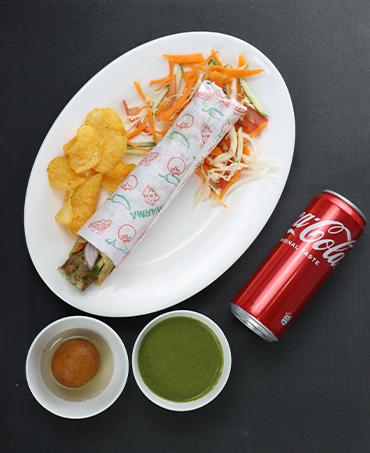
Once you visit Mirchiwala, there is ample of Indian and Pakistani Cuisine waiting for your gastronomic delight. You can have the authentic taste of Rampuri Quorma or Moradabadi Biryani, but before you even check out dishes for the main course, you should try the Indian Seekh Kababs in Dubai. On the spicier side, we serve it with mint and coriander chutney, and onions and cucumber. In case, you are in a hurry or just want to check the Indian Seekh Kababs in Dubai, before recommending them to your friends and family, then you may grab our Small Picky Combo 3, which has Seekh Kabab Roll, other than 1 piece of Gulab Jamun, and 300ml of Coke.

Categories
Uncategorized

Restaurants Serve Paratha in Dubai

Restaurants Serve Paratha in Dubai

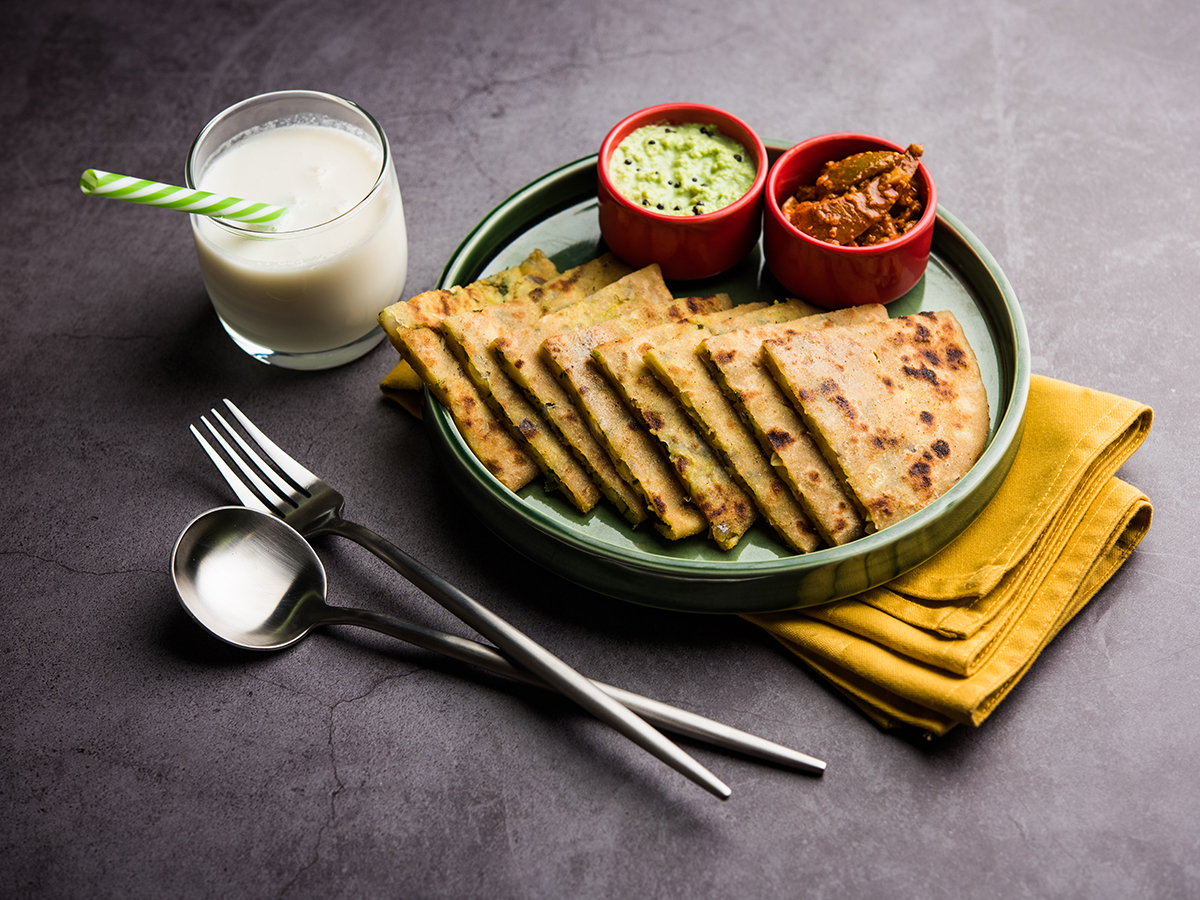
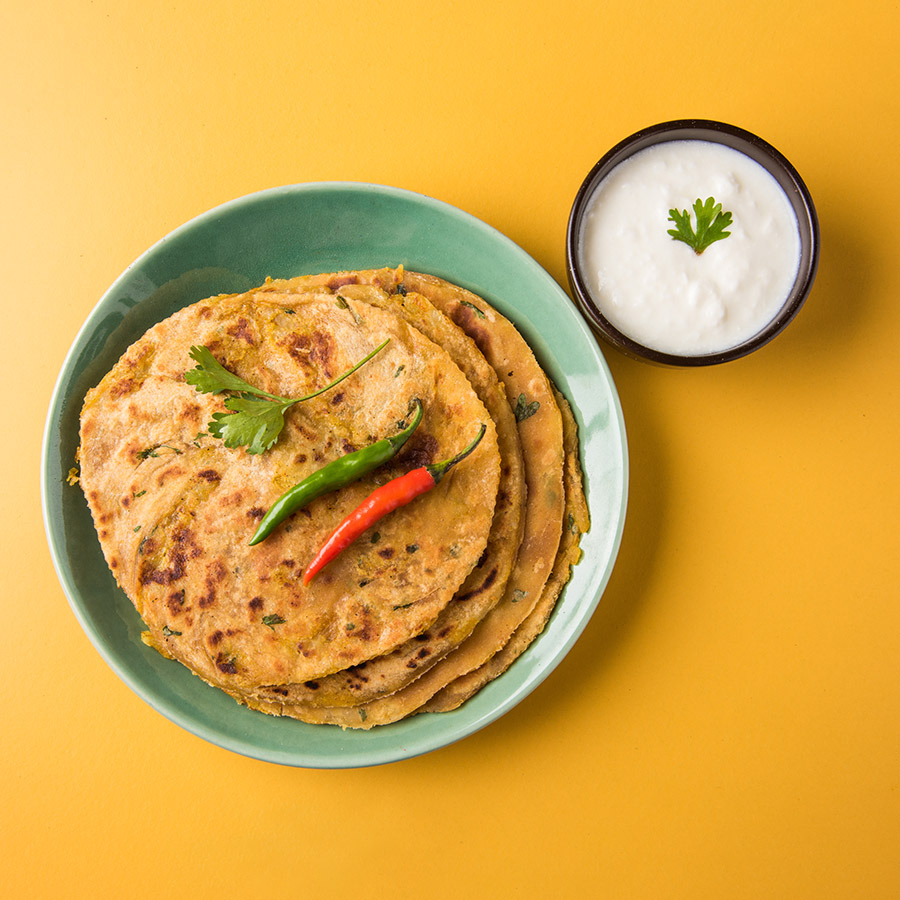
Traditionally, Paratha has been an essential way of breakfast, especially in the northern parts of the Indian subcontinent. And as the UAE hosts a sizable Indian and Pakistani population, there are many restaurants which serve paratha in Dubai. 

Customarily, the paraths is made using Ghee, but sometimes oil is also used. Some people may even like to bake it in the oven for the sake of minimising calories (this is a practice gradually gaining prevalence amongst the health-conscious). Conservatives however maintain that Paratha, while definitely a kind of bread, should not be baked the way Naan has been. Rather, it should ideally be shallow-fried on a Tawa— a stone frying pan, using butter or some cooking oil. While Naan is generally rolled out once and then slapped up against the side of a tandoor. Tandoori Paratha on the other hand gets rolled out multiple times to create a scaly bread.

Usually, the Paratha is eaten with dollops of white butter on top of it. Side dishes that are usually served with Parathas are curd, fried egg, omelette, Kabab, Nalli Nihari, Jeera Aloo (potatoes flippantly fried with cumin seeds), Daal, and Raita as part of a breakfast meal. It may be stuffed with potatoes, paneer, onions, or mutton keema.

Luckily there are restaurants which server paratha in Dubai and Mirchiwala in Karama is one of them. 

The preparation

Parathas are one of the most widespread unleavened flatbreads in the Indian subcontinent, made by cooking whole-wheat dough on a Tava, and finally shallow-frying them. Parathas are heavier than Chapatis or Rotis and this is either because, in the case of a plain, unstuffed Paratha, they have been layered by coating with Ghee or oil and folding repetitively; or else because some vegetables have been mixed in with the dough, such as potato or cauliflower, green beans, and carrots, even if they are not stuffed with any filling. For example, a Rajasthani Mung Daal Paratha uses both the layering technique, other than the Mung Daal is also mixed into the dough. Stuffed Parathas resemble a filled pie, which is squashed flat and shallow-fried on Tawa, using two discs of dough stuck down around the edges. Or, by alternatively using each of the two discs of dough to enclose a ball of filling and sealed with a chain of pleats pinched into the dough around the top, they are gently compressed to flatten the dough with the palm against the working surface. This filled up dough is then rolled into a circle, and finally shallow-fried on a Tawa. Stuffed Parathas are generally not layered.

Parathas can be eaten as a breakfast dish or as an evening tea-time snack. Perhaps the most common stuffing for Parathas is mashed, and spiced potatoes, resulting into Aloo ka Paratha, followed closely by spiced up Daals (lentils). Many other alternatives include leafy vegetables, radishes, cauliflower, or paneer. In case of non-vegetarian stuffing, for example, mutton-keema can be used. A Paratha (especially the stuffed one) can be served simply with a pat of white butter spread on top of it or with side dishes, such as chutney, pickles, ketchup, yoghurt or raita or with some curries. Some people also roll the Paratha into a tube and eat it with tea, often dipping it in Ginger Tea. At Mirchiwala, you also get a scrumptiously flavoured Ginger Tea.

Mirchiwala restaurant also serves paratha in Dubai

If made in just the right way, Parathas can in fact be a healthy dish. Parathas are generally considered unhealthy because people stuff them with a lot of unhealthy things and cook them in an unreasonable amount of ghee, oil or butter. If you are searching for restaurants which serve paratha in Dubai, visit Mirchiwala today and enjoy our tasty and healthy Parathas.

Categories
Uncategorized

Best Places for Omelettes in Dubai

Best Places for Omelettes in Dubai

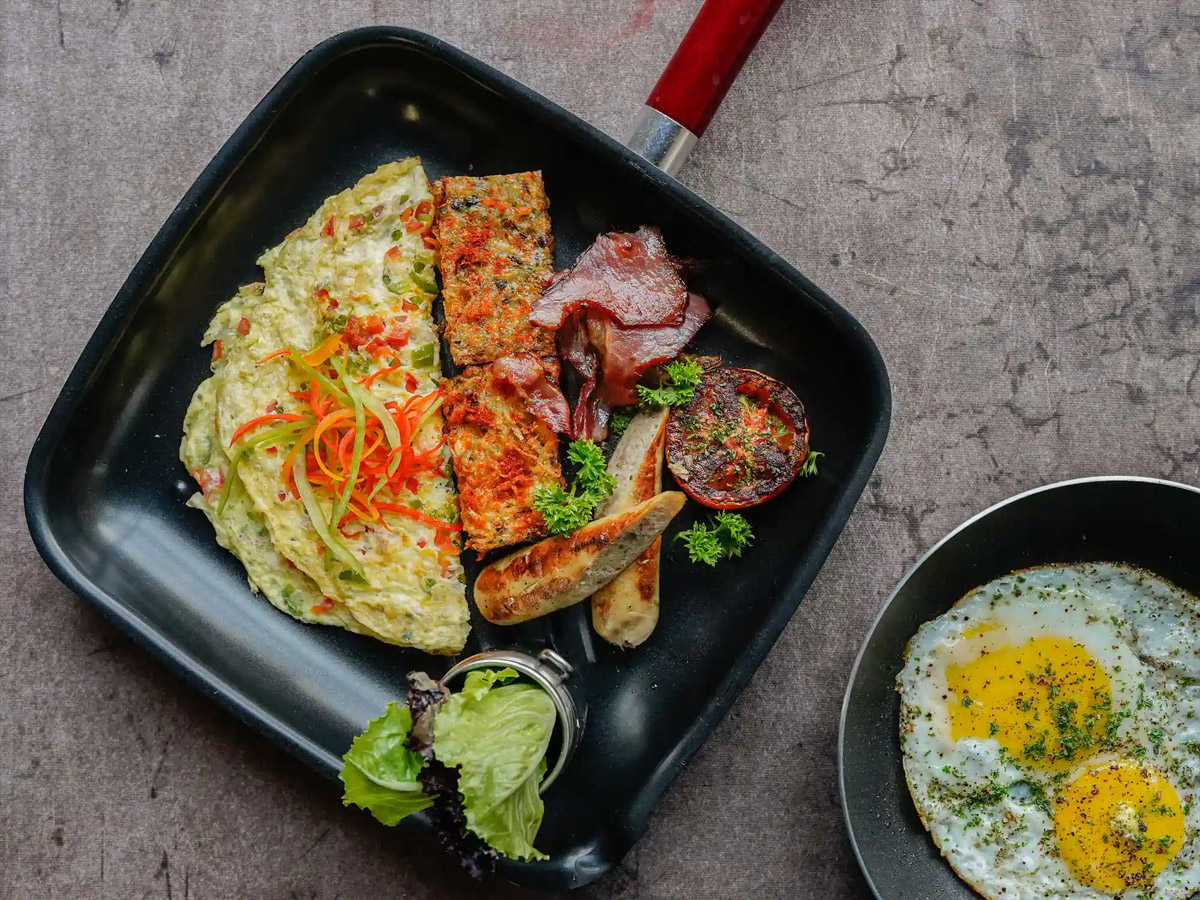
Omelette is a dish, popularly made from beaten eggs (often beaten with a small amount of milk, cream, or water), and fried with butter or some cooking oil in a frying pan. People also like to fold this fried thing around fillings such as vegetables, meat (usually ham or bacon), or some combination of these.

If you are looking for best places for omelettes in Dubai then visit Mirchiwala today. The restaurant serves authentic Indian and Pakistani food, including your favourite omelette the one you crave to have in the morning and not get the taste in Dubai too often. We are conveniently located in Karama, behind Ansar Gallery, and there’s enough public parking available for customers. Let us delight you with that taste of classic omelette.

History

The earliest omelettes are known to have come up in the ancient Persia. They get a mention in the book ‘Breakfast: A History’, and were compared with the Iranian dish Kookoo Sabzi. The word omelette that has French origin became popular, much later, during the mid-16th century, however, the then popular versions Alumelle and Alumete had been used in the Ménagier de Paris way back in 1393.

In a formal discourse, French author, Alexandre Dumas deliberates several variations of omelette in his book Grand Dictionnaire de Cuisine. One is an omelette with fresh herbs like parsley, or chives, another is a variation with mushrooms. Another sweet omelette, attributed to a royal cook of Prussia (a German state on the South-East coast of the Baltic Sea), is made with apples and brown sugar coating.

Varieties of omelettes

Fast forward to this day, in the South-Eastern parts of China, a dish similar to the omelette is prepared, which is known as Egg Foo Yung and made with beaten eggs and usually ham. In most of the inhabited parts of China, an Oyster omelette is made with oysters’ egg batter.

For lot of Parsis concentrated in the Western parts of India, Pora is an omelette made from eggs, onion, tomato, green chillies, and coriander leaves. It is usually served as breakfast, with Indian or Irani, tea and bread.

Kookoo is an Iranian omelette (this is probably the first look of omelette to the mankind) often containing large proportions of other ingredients, like herbs, vegetables, or meat folded in with fried egg covers. Nargesi or an omelette, with spinach as filling, is an Iranian dish, and is made up of fried onions and spinach, which later on is spiced with salt, garlic, and pepper. 

A frittata is the Italian version of omelettes that usually contain cheese, vegetables, or even leftover pasta.

In Korean cuisine, traditional omelettes are called Gyeran-mari, which is made with beaten eggs, mixed with finely diced vegetables, meats, and seafood. In the USA, Denver omelette

is very popular. It is filled with diced ham, onions, green bell peppers, along with other varieties of fillings. Typically, in the UK, an omelette in majority cases incorporates smoked haddock, hard cheese (typically Cheddar), and cream.

Searching for best places for omelettes in Dubai?

Whichever version of the omelette you may like, you will love our version of omelette. If you like to have omelette in the breakfast, or at any time of the day, we would be glad to serve your favourite omelette. We are famous for serving authentic Indian and Pakistani food, here, in Dubai.

Categories
Uncategorized

Best Indian Khichda in Dubai

Best Indian Khichda in Dubai

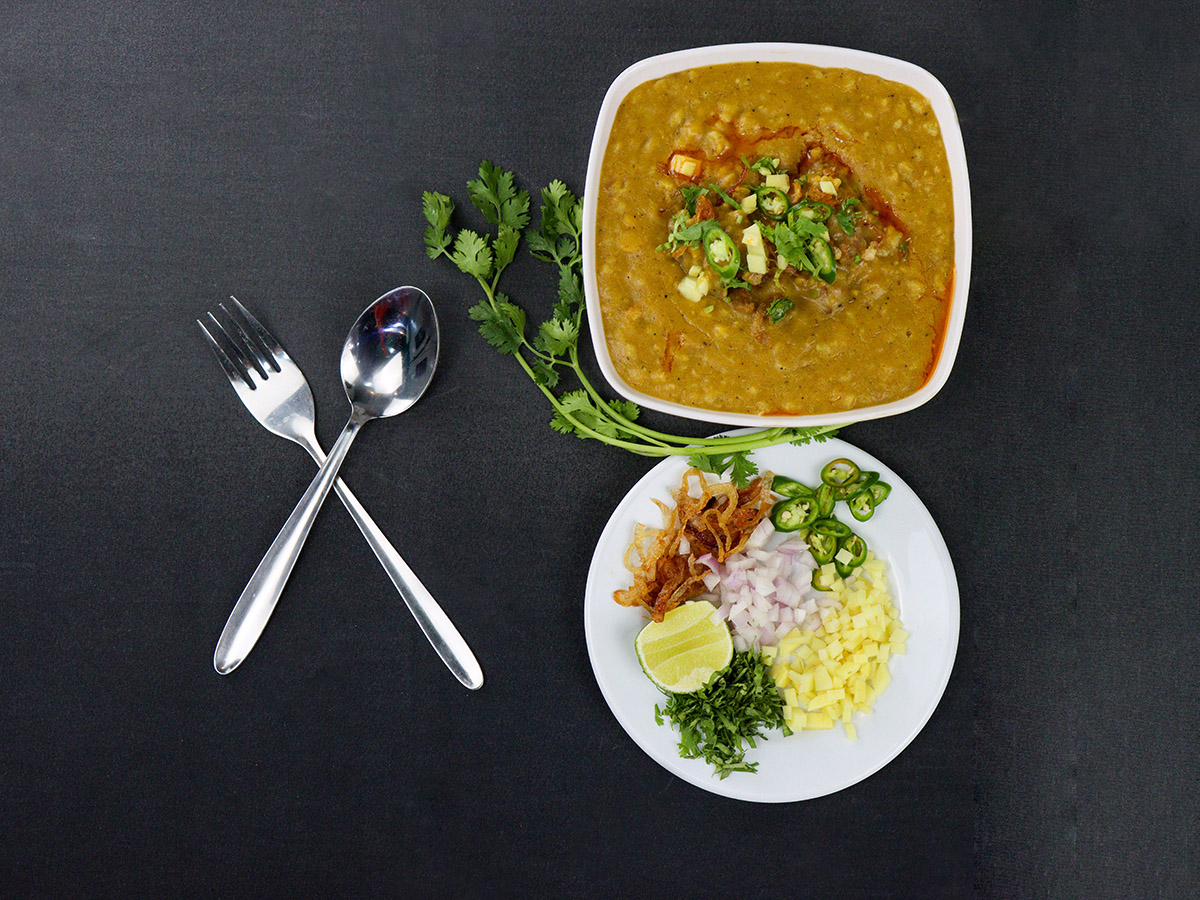
Khichda is a variation of the dish Haleem, popular in the Indian subcontinent. Khichda is prepared all year and particularly at the Ashura of Muharram. It is made using mutton or beef, lentils, and spices, slowly cooked to result into a thick gravy. Today’s Dubai is becoming home for more and more expats, majorly coming from the Indian sub-continent. And, the expats search for food items they miss from back home such as the best Indian khichda in Dubai.

Visit us today at Mirchiwala, a restaurant that serves authentic Indian and Pakistani food, including the best Indian khichda in Dubai. We are conveniently located in Karama, behind Ansar Gallery, and there’s enough public parking available for customers. So visit us today and let us delight you with that taste of mouth-watering Khichda. At Mirchiwala in Dubai, we use a combination of spices and age old recipes to craft a menu that will surely appeal to your taste-buds.

Origin

Khichda and Haleem are very similar dishes, except that the meat is well-minced or over-cooked in Haleem, while it is left as pieces in typical Khichda.

As per the Delhi based historian Sohail Hashmi, the Khichda originated as a respite against a famine that struck in and around the North Indian city of Lucknow, and construction of Rumi Darwaza and Bada Imambara was undertaken. Due to the famine, the then Nawab of Awadh, announced the construction of these historical sites, intending to provide relief to the population thus affected. He asked the people of the nearby villages to come to Lucknow to construct these sites, and so they would be given free food. This free food was some kind of Khichda that consisted of rice slowly cooked with mutton and various pulses, thus becoming opulently rich in protein and carbohydrates. Even when the construction of these sites was concluded, the dish continued to receive widespread acceptance and can today be found at many places, especially the Indian subcontinent. Travellers further took this dish to other parts of the world where it enriched with local flavours.

Haleem, Khichda and Khichdi

In the Indian subcontinent, both Haleem and Khichda are usually prepared using similar ingredients. But, Haleem is cooked until the meat merges with the lentils, while in Khichda chunks of meat remain intact. Khichdi on the other hand, is a vegetarian dish, which is prepared with rice and lentils.

Your search for best Indian khichda in Dubai ends here

If the mention of Khichda is enough to drive you down the memory lane but you don’t plan to fly to India and Pakistan for your favourite khichda, we have a solution! At Mirchiwala, we serve you the Best Indian khichda in Dubai. Period.

Categories
Uncategorized

Best Nalli Nihari in Dubai

Best Nalli Nihari in Dubai

Nihari is a stew believed to have originated in Lucknow, the capital of 18th century Awadh under the Mughals, in undivided India. It involves slow-cooked meat, mainly a shank cut of beef, lamb or mutton, as well as chicken and bone marrow. Typically, it is flavoured with long pepper or Pippali. While Delhi has enjoyed an emphatic combination of food since the Delhi Sultanate, the fine-tuning majorly happened with the Mughals. Consequently, the rich Mughlai spread of its Persian tinges enhanced with Indian tastes and flavours spelt real enchantment.

Mirchiwala, located in Karama, behind Ansar Gallery, serves you the Best Nalli Nihari in Dubai, prepared with beef and chosen spices.

The origin

The name Nihari was derived from Arabic ‘nahar’, which means ‘morning’. It was traditionally eaten by Nawabs of Awadh, in the Mughal Empire usually as a breakfast. According to majority sources, Nihari was invented in the royal kitchens of Lucknow, during the twilight of the Mughal empire. Initially, it was meant to be taken as a high-energy breakfast on an empty stomach by common labourers, particularly in colder seasons. However, the dish later on became popular among people at large, and in due course became an indispensable cuisine that originated from the royal cuisine of Mughal-time Nawabs.

Nihari remains a popular and delectable delicacy, specifically in parts of Delhi, Mumbai, Lucknow, Hyderabad, and Dhaka, and visibly so, many expats come to Dubai, from these places. The dish is known for its distinct taste, gravy, and most importantly the nostalgic feel that it carries.

Popularity of Nihari

Nihari was a traditional dish among the Indian Muslim communities mostly concentrated in areas of Lucknow, Delhi, and Bhopal. Following the partition of India in 1947, a large Muslim population from northern India migrated to Karachi, which was part of the West Pakistan and some of them shifted to Dhaka in East Pakistan. This migrated population is majorly responsible for making the dish popular in the subcontinent, mostly because they established a number of restaurants serving the dish in these newly touched areas. In Karachi, Nihari became an extensive success and soon spread in eminence and availability across Pakistan. Similar was the story in Bangladesh.

Today, Nalli Nihari is part of nearly every restaurant in Pakistan. Nihari has been a popular delicacy in parts of Bangladesh, chiefly Dhaka and Chittagong too. The creamy and spicy Nihari is left to slow-cook sometimes overnight which makes the meat tender and it also merges with the texture of the stew.

It is often teamed with brain and topped with ginger juliennes, chopped coriander leaves, green chilies and ghee. In some restaurants, a few kilograms from each day’s leftover Nihari is added to the next day’s pot; this reused portion of the dish is known as Taar and usually added to provide a unique flavour to the preparation. So much so that a number of Nihari outlets, claim to have kept an unbroken cycle of Taar going for more than a couple of centuries.

Nihari also is said to have some medicinal properties. It is traditionally used as a home remedy for fever, rhinorrhoea, and the common cold.

Trust us for the best Nalli Nihari in Dubai

Mirchiwala has taken the task of keeping the age-old Mughlai recipes alive, and replicates the same authentic taste of dishes from the Indian subcontinent that keeps lingering in the mouths of expats, here in Dubai. We source the best meat and authentic ingredients to cook the Best Nalli Nihari in Dubai.

Categories
Uncategorized

Shami Kabab in Dubai

Shami Kabab in Dubai

What is behind the popularity of kababs cannot be clearly said- it could be the distinctive aroma it spreads around, or its tendency to melt down to tasty juices as you gulp them, or its out of the world taste, or its propensity to naturalise and prosper in taste as it advances in its cultural journey from East to West. But, what can be definitely affirmed at this point is that kababs are particularly very popular amongst people world over, and seeing the increasing density of expats in Dubai, it unquestionably is competing with itself for staying on the top of the list of kabab serving destinations in the world.

Mirchiwala, located in Karama, behind Ansar Gallery, serves you with authentic Indian taste, and if the smell of a kabab thrills your taste buds then order Shami Kabab in Dubai, from us, and we would surely become your preferred Kabab place. If you want to celebrate an occasion with Shami Kababs, then you can drive down to us, and enjoy the ambience we have set for you and your family and friends. We are conveniently located and there is ample parking space here, so you just have to make time to have a good time and send invitations around.

The word Shami and contemporary preparation

There are several etymological elucidations concerning Shami Kabab. One account is that the name of the dish descends from the word Shaam, which means “nightfall” in Persian, while according to another; the name may also have sprung from the scent of a perfume called Shamama.

Nonetheless, whatever be the reason of its origin, Shami Kabab is made out of meat and lentils. Meat can be chicken, mutton, lamb, or beef– a Shami Kabab can be prepared of any meat. It also contains a variety of spices, fresh coriander, chopped onion and green chillies.

Traditionally, Shami Kabab has been a delicious Awadhi dish made from minced meat, lentils and spices, but a vegetarian version of Shami Kabab is also getting popular these days. The latter is made up of black chickpeas, gram flour, onions, and chosen spices. The original one though combines minced lamb, chicken, mutton, or beef with split chickpeas, onions, chillies, ginger, garlic, and picked spices such as cumin seeds, garam masala, and mint leaves. The meat mixture is then versed up with salt and pepper and made into round patties and shallow fried until their outer-body becomes crispy, while preserving the mushy interior texture.

These kebabs are commonly enjoyed in India, Pakistan, and even in some parts of Afghanistan and serve as a tremendous snack or an appetiser, on the side with the main course. Shami Kababs are usually presented with onions, lemon wedges, and a variety of chutneys.

Mirchiwala for Shami Kabab in Dubai

Shami Kabab can be made from a meat of your choice. Different varieties of it are prepared using chicken, mutton, lamb, or even beef. All of these varieties of meat are remarkable sources of protein which is why adding in Shami Kabab in your diet may aid in your weight loss program.

Kababs in general are popular because of their distinctive aroma, tenderness, and taste, and the same stands true for Shami Kababs. Mirchiwala serves authentic Shami Kabab in Dubai, we ensure you’ll come back for more. And, the best part is that you don’t need to feel guilty of indulgence!

Categories
Uncategorized

Moradabadi Biryani in Dubai

Moradabadi Biryani in Dubai

Biryani is a calculated mix of meat, rice and spices, cooked slowly. Traditionally, it was cooked over medium flame in an earthen pot. It involves a variety of constituents to create a number of exceedingly tasty and uniquely flavoured combinations. These combinations are nothing but reflections of cultures that shaped these Biryani variations. Blend of spices bring typical flavour and aroma of a place in Biryani, regardless of its distance from the place where it is being served. At Mirchiwala, we use a combination of spices and age old recipes to craft a menu that will surely appeal to your taste-buds. If you are looking for Moradabadi Biryani in Dubai then head to us in Karama, behind Ansar Gallery.

The origin of Moradabadi Biryani

Moradabadi Biryani, though named after the city of Moradabad in Uttar Pradesh, but it is widely believed that the original form of the dish originated in Lucknow. For majority of food-historians, it is a quick and simple recipe that takes in a strong flavour of especially the green chillies, and finds its roots in the cuisine of erstwhile Oudh. When Mohammed Yar Khan, hailed as the founder of the Indian brassware industry, migrated from Afghanistan to Moradabad, Uttar Pradesh, India in the 1860s, locals not only picked up techniques of brass making but also the nuances of preparing typical Moradabad format of Biryani. However, before that Biryani was already there, and dominantly had the taste and flavour of Awadh in it.

The exclusive preparation

It is typically prepared with a unique combination of chicken pieces with rice, green chilli, pepper powder, Garam Masala, hung curd (which is the thick form of Desi yogurt), ginger-garlic paste, cloves, cinnamon, bay leaves, cardamom, mace, nutmeg,  coriander, fennel, cumin, caraway, salt, lemon juice, and a small amount of oil. Muradabadi Biryani is traditionally prepared Kachchi-style. Those who do not appreciate the difference between Kachchi and Pakki styles of cooking Biryani should understand that in Kachchi style, the marinated meat and rice are cooked together in a sealed Haandi over a slow flame, while in the Pakki style, the meat is marinated for a lesser time and is almost cooked independently, while the rice is semi cooked and then both are then arranged in layers and steamed together, with above spices. Remarkably, the food colour is added towards the end of cooking, in order to make the preparation, additionally visually appealing. After cooking, the Biryani is then garnished with fried onions prior to serving. The long-grain rice is used in Moradabadi Biryani, as a typical feature, and it does not leave even a hint of oil for the taste buds and is often relished with a condiment of garlic & red chilli chutney (generally, of a thin consistency), very unlike, the robust blend of spices in Hyderabadi biryani, which is deeply swayed by South Indian style of cooking.

Mirchiwala serves Moradabadi Biryani in Dubai

No matter how Biryani appeared on the dining tables of the sub-continent and became widely popular, you can rest assured that there will be an outlet serving your favourite Moradabadi Biryani in Dubai.

Visit us today at Mirchiwala, for a delicious feast of Indian dishes, including your favourite Moradabadi  Biryani that you miss badly, and do not get the authentic taste in the middle East, too often. We are conveniently located in Karama, behind Ansar Gallery, and there’s enough public parking available for customers. So visit us today and let us delight your taste buds.

Categories
Uncategorized

Indian & Pakistani Restaurant in UAE

Indian & Pakistani Restaurant in UAE

The Middle-East has enjoyed historic and cultural ties for over three centuries, earlier with undivided India and later on with all of its fragments. They were closely entwined with multiple links of commerce, and culture, so much so that the UAE has derived a number of cultural elements from undivided India. Most significant of such derivations is the food. Chicken Machboos, for example, is analogous to the Indian Chicken Biryani, which is widespread among Emiratis. Fast forward to the contemporary UAE, the population of expats here from the Indian sub-continent is rising every passing day. And, the expats look out for food items that they miss from back home. This is the reason and business sense behind so many Indian and Pakistani restaurants in UAE.

Mirchiwala is an Indian and Pakistani restaurant in UAE that serves desi food, including your favourite Biryani that you miss badly and not get the taste in the middle east too often. We are conveniently located in Karama, behind Ansar Gallery, and there’s enough public parking available for customers. So visit us today and let us delight you with that taste of lip-smacking Biryani. Traditionally, it was cooked over a sweeping flame in an earthen pot. It is pooled with a variety of constituents to create a number of exceedingly tasty and uniquely flavoured combinations. These combinations are nothing but reflections of cultures that shaped these varieties of styles of Biryani. Blend of species, brings typical flavour and aroma of a place in biryani, regardless of its distance from the place, where it is being served. At Mirchiwala in Dubai, we use a combination of spices and age old recipes to craft a menu that will surely appeal to your taste-buds. And, if you are a Biryani lover, then you will definitely find our Moradabadi Biryani tempting.

Your favourite Indian restaurant in UAE

If you are searching for an Indian and Pakistani restaurant in Dubai then please drop by at Mirchiwala in Karama. We offer a host of delicacies from India and Pakistan including Moradabadi Biryani, Rampuri Qorma, Nalli Nihari, Khichda, Kachche Gost ke Kabab, kashmiri Dum Aalu, Paneer Butter Masala, Kadhai Paneer, Shahi Tukda, Moong Dal Halwa, and Gulatti.

Categories
Uncategorized

Best BBQ Restaurants in Dubai

Best BBQ Restaurants in Dubai

Barbecue, informally also known as BBQ, is a term used to describe a cooking method that uses live fire and smoke to cook the food. The term is also generally functional to name the devices associated with this kind of cooking, and broader sense of the term also includes cuisines that this method of cooking produces. Various regional variations of BBQ can be classified into direct and indirect heating BBQs. Indirect heating BBQs are mostly related to North American cuisine, where meat is roasted or cooked slowly in smoke over wood or charcoal. Elsewhere, barbequing involves direct application of heat to the grills, through hot coals or propane, to BBQ food. 

In Dubai, if you talk of BBQ food, then you are obviously discussing the direct heating one. If you are looking around to find the Best BBQ Restaurants in Dubai, then you should definitely visit Mirchiwala in Karama.  Most importantly, we are eager to become your favourite restaurant for BBQ. You can simply come to us, if you want to taste them and finalise our BBQ for your upcoming picnic, with friends and family, or a business meet associated to your work. We are conveniently located in Karama, behind Ansar Gallery, and you don’t have to worry for parking your vehicle, as there’s enough public parking available for our valued customers. So, visit us today and let us delight you with some authentic taste, and become your favourite BBQ restaurant, in the city.

If you are getting curious about the history and evolution of various BBQ methods, their origin and differences, then here is a brief background of the development of modern BBQ techniques.

Etymology and evolution

The English word barbecue has originated from the indigenous Taino word barbacoa. Majority of etymologists believe that barbacoa was derived from barabicu found in the language of the Arawak community from the Caribbean and the Timucua people from adjacent areas of North America. From here, it swam through the Atlantic Ocean, and landed in some part of Europe, and later on roamed around the globe. The Oxford English Dictionary defines the prevalent perspective, as “a metal frame for cooking food on over an open fire outdoors,” or “an outdoor meal or party when food is cooked in this way.”

After the Columbus episode of 1492, the Spaniards seemingly found Taino’s barbacoa consisting of a wooden framework sleeping on sticks above a fire. The flames and smoke from the fire rose and wrapped and soaked the meat, giving it a certain flavour. However, barbacoa initially involved digging a hole in the ground and placing meat above, in a pot, so the juices can be used to make a soup. It is then covered with maguey leaves (source of traditional Mexican liquor) and coal, and set on fire. This cooked slowly and took hours for it.

Soon after the World War II, many backyards in America adopted barbecue grills. This activity was subsequently refined by a welder named George Stephen in 1952. He cut metal to make dome-shaped BBQ, using the top half as a lid to cap in the flavour and added vents in them so that the fire could not suffocate. This design inspires BBQ grills even today.

The next evolution came in with the gas fuelled grills, in BBQ, which ran on propane. This increased the price of BBQ, nevertheless streamlined the process of barbecuing food. Then in 1980s, Bill Best added ceramic burners to the BBQ. The tile of the BBQ was heated to create infrared radiations, inside the BBQ to cook food in it. This is the design commonly used in restaurants today in order to more evenly cook the food, and lock in the juices, which further keeps the meat tender and flavourful.

Further refinement was introduced subsequently, viewing that the people started becoming more health-conscious, and began to look at excess body fat negatively. George Foreman introduced a design of grill that became popular for reducing fat.

The experience of eating at best BBQ restaurants in Dubai

BBQs have travelled a long distance from being fuel-inefficient and messy to relaxing and enjoyable method of cooking at a picnic. But, more relaxing and fulfilling would be the experience of eating at best BBQ restaurant in Dubai, which is Mirchiwala. We are conveniently located behind Ansar Gallery, at a stone’s throw from the Burjuman Metro station.